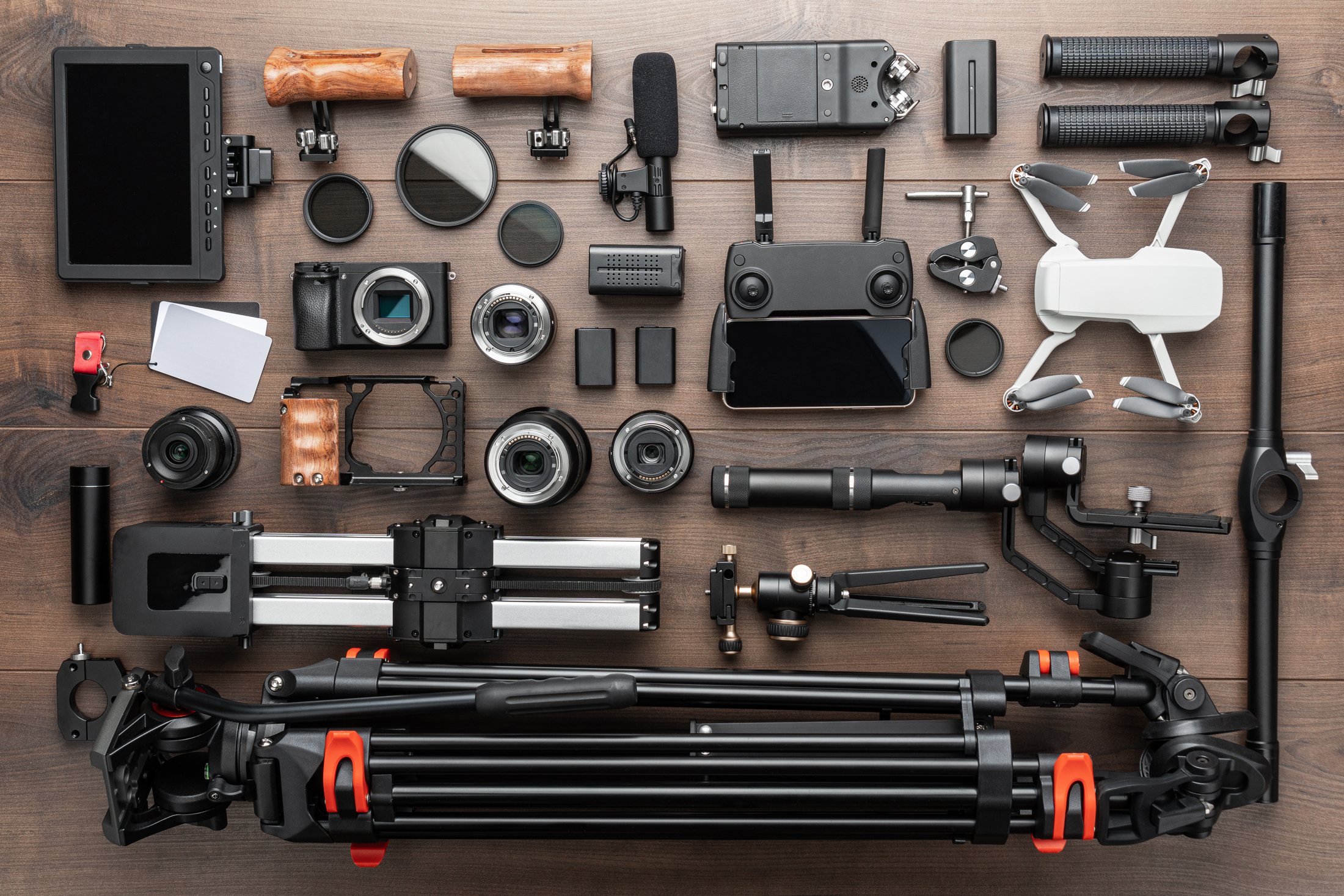
There is a version of this conversation that turns into a gear list. This is not that. Most podcasts do not fail because of equipment, and most gear upgrades do not fix the thing that is actually wrong.
What actually matters, in order
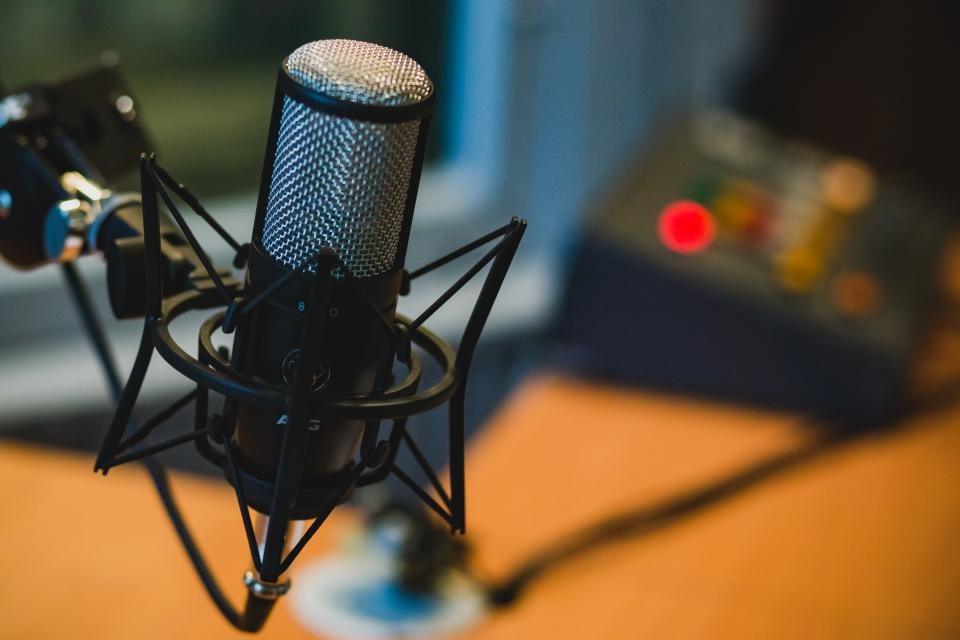
Microphone placement. A modest microphone six inches from your mouth beats an expensive one two feet away, every time. Distance is the variable almost nobody adjusts and it does more damage than any other single factor.
The room. Hard parallel walls produce a hollow, boxy sound that no microphone fixes and no plugin fully repairs. Soft surfaces, panels and broken up walls are why treated rooms sound the way they do.
Levels, set before you start. Recording too hot clips and clipping cannot be undone. Recording too quiet is recoverable but noisy. Two minutes of checking beats an hour of repair.
Everything above is already set up in the studio, so you can skip the buying entirely if you prefer.
What matters less than people think
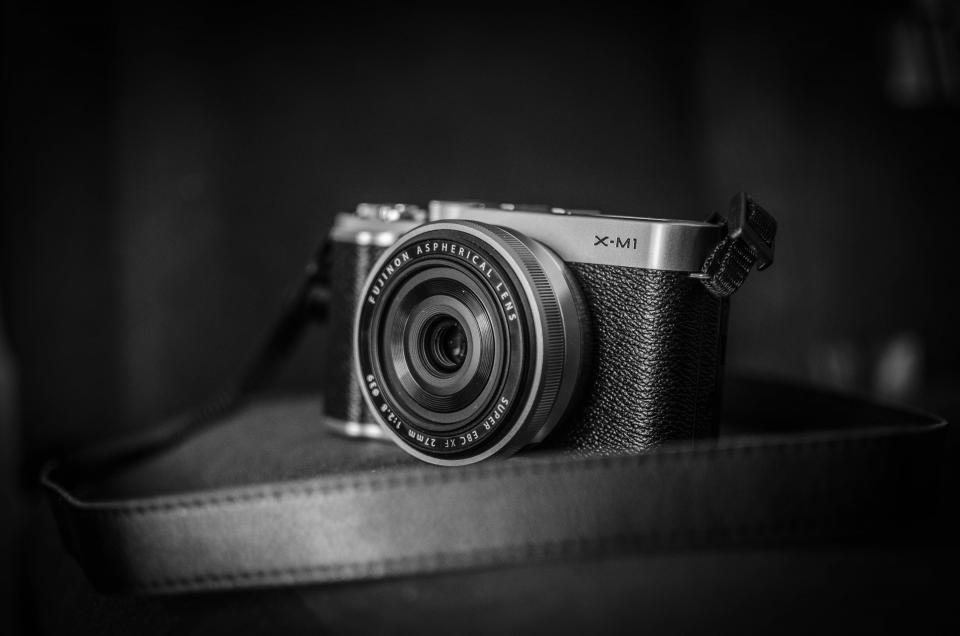
- Camera brand. Any modern cinema or mirrorless camera, lit properly, looks good. Lighting is doing most of the work you are crediting to the sensor.
- Microphone price. Above a fairly low threshold, placement and room dominate.
- Resolution. Almost nothing you publish is watched above 1080p. Shooting 4K is useful for reframing and cropping to vertical, not for the viewer.
The one upgrade that changes everything
A second camera. Not a better one. A second one.
One angle gives you a video. Two angles give you an edit, which means you can cut a pause, tighten a rambling answer, and crop a clean vertical clip from a wide frame. The jump from one camera to two changes what is possible in post far more than any single piece of equipment.
If you are buying anything
Buy in this order: a microphone stand or boom arm that puts the mic where it belongs, then treatment for the room, then a second camera, then lights. Bodies and lenses come last, and by the time you get there you will know what you actually need.
The order to buy things in
If you are building a kit from nothing, the sequence matters more than the brands. Spend in this order and each purchase makes the previous one work better.
- A stand or boom arm. Cheapest item on the list and the biggest single improvement, because it puts the microphone where it belongs and keeps it there.
- Treatment for the room. Panels, a rug, curtains, anything soft. Nothing you buy afterwards fixes a room that rings.
- A second camera. Not a better one. A second one.
- Lights. One decent key light with a softbox beats three cheap ones pointed randomly.
- Bodies and lenses. Last, and by the time you get here you will know exactly what you need.
Almost nobody’s footage is being held back by their camera.
Why the second camera changes everything
One camera gives you a video. Two give you an edit, and an edit is a different product.
With two angles you can cut a long pause, tighten a rambling answer, remove a cough, and crop a clean vertical clip without the frame going soft. With one angle every one of those requires either a visible jump cut or living with the problem.
The second camera does not need to match the first. It needs to be a different angle, in focus, and recording at the same time.

What about audio interfaces and mixers
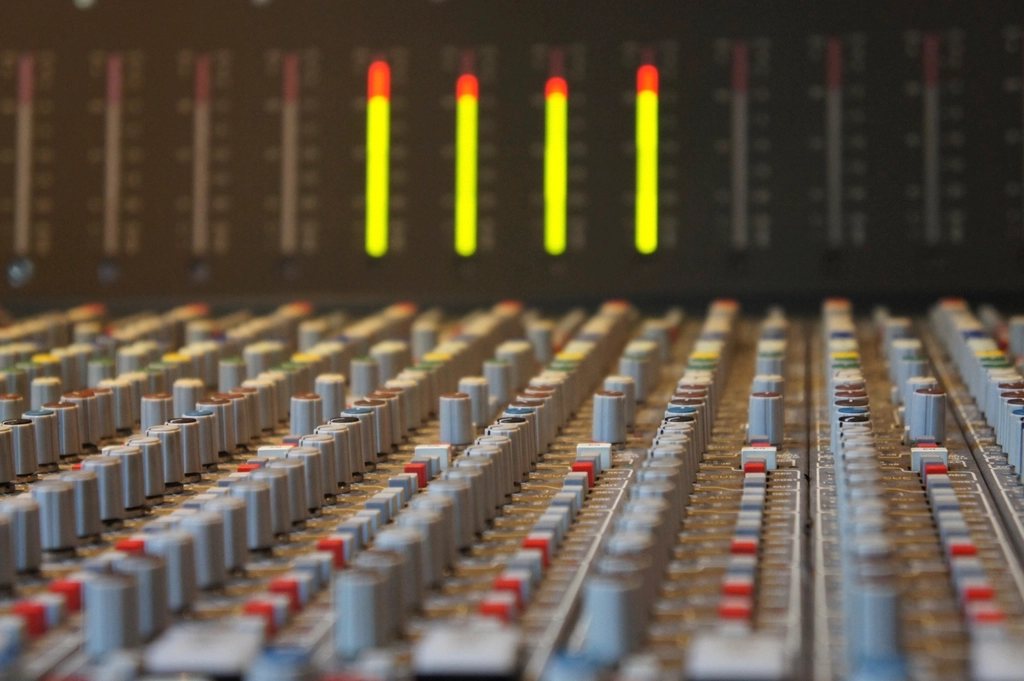
If you are recording two people, a simple two-input recorder or interface is plenty. The features people pay for on larger mixers are mostly for live sound, not for a conversation that is going to be edited afterwards.
The one thing worth having is separate tracks per microphone. If both voices land on a single track you cannot fix one person being quiet without affecting the other. Almost every recorder does this. Check yours does before you rely on it.
The settings that matter more than the gear
- Record levels around minus twelve. Quiet enough to survive a laugh, loud enough to stay clean.
- Lock your exposure and white balance. Auto settings drift mid-sentence and it is very visible.
- Shoot 4K if you plan to crop vertical. Not for quality. For the crop.
- Check focus on the person, not the background. Obvious, and still the most common ruined recording.
When upgrading genuinely is the answer
If you have done all of the above and the footage still is not right, then look at gear. Usually the honest answer at that point is a lens, because that is what changes how an image feels rather than how sharp it is.
But get to that point first. Most people buy the lens on day one and still have a boxy sounding room a year later.
Gear questions
What is the single best first purchase?
A stand or boom arm. It is the cheapest thing on any list and it fixes the variable that damages recordings most, which is distance between mouth and microphone.
USB or XLR?
USB is fine for one person and genuinely simpler. XLR earns its complexity once you have two or more microphones and want separate tracks, which you will want sooner than you expect.
Do I need a mixer?
Probably not. For a conversation that will be edited, a simple recorder or interface with separate tracks per microphone does everything a mixer would, with fewer ways to make a mistake.
Is 4K worth it?
For cropping to vertical, yes. For image quality that anyone will notice, no. Almost nothing is watched above 1080p, so treat 4K as editing headroom rather than as a quality setting.
If you are booking a room that already has all of this, the honest answer is to buy nothing and spend the money on the sessions instead.
The bottom line
Podcasts do not fail on equipment. They fail on rooms that ring, microphones two feet from a mouth, and levels nobody checked. All three are free to fix.
If you are buying, buy in order: stand, treatment, second camera, light, and only then a better body or lens. And if you are booking a room where all of that already exists, buy nothing and spend the money on sessions instead.
Or skip the buying entirely. The room, the microphones and the multi-camera setup are already here.