
At some point every regular creator does the maths on building a setup at home instead of booking a room. It is a reasonable question, and the answer depends almost entirely on how often you shoot.
What a home setup really costs
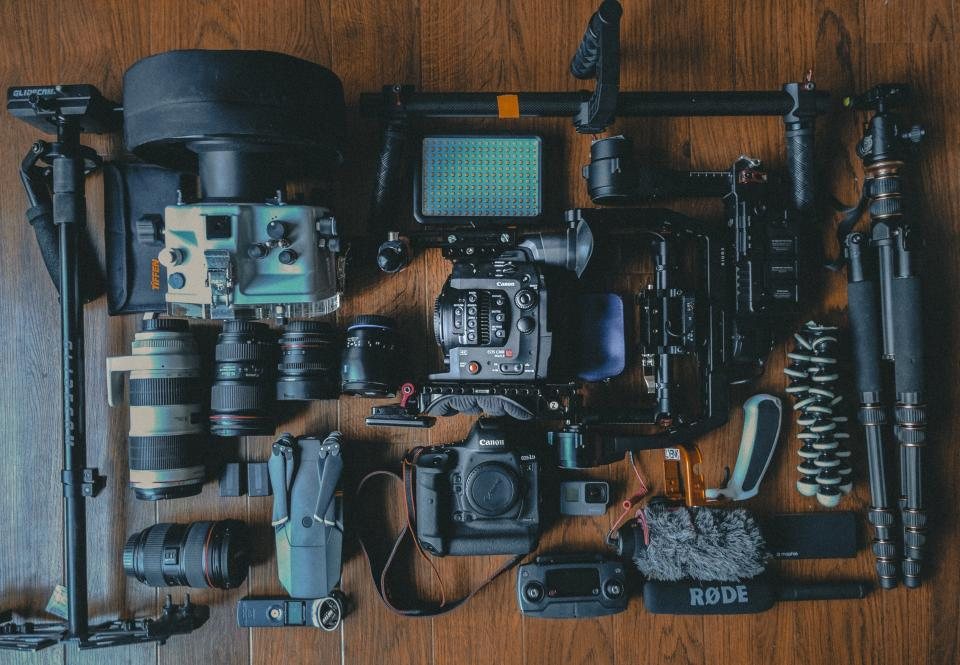
The equipment is the visible part and usually the smaller part. Two cameras, two microphones with proper stands, lights and cables get you to a working setup. Then comes the part people underestimate.
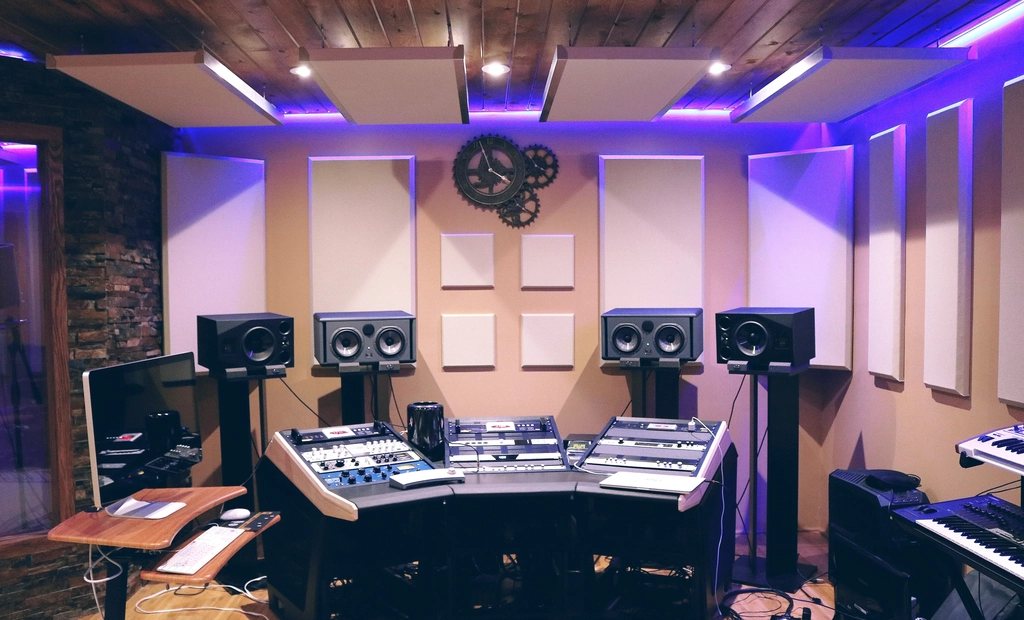
- The room itself. Treatment, or a space where the walls are not bare and parallel. This is the difference between sounding professional and sounding like a spare bedroom.
- Setup and teardown time. If the space has another job, you pay this every single session.
- Learning to run it. Real hours, spent on levels, lighting and the reason one file is out of sync.
If you would rather not buy anything, the equipment bundles on the services page cover most of what a home setup would need.
When building makes sense
You shoot weekly or more, you have a room that can stay set up permanently, and you are genuinely interested in the technical side. Under those conditions a home setup pays for itself and gives you something no rental can: the ability to record at eleven at night because you had an idea.
When booking makes sense
You shoot monthly, or in batches. You would rather spend the session thinking about what you are saying than about whether the levels drifted. You want it to look consistent without maintaining it yourself.
Batching is the strongest argument for booking. Four episodes recorded in one afternoon in a room that was already set up costs less, in money and in hours, than four separate evenings of assembling and dismantling a setup at home.
The honest middle
Plenty of people do both. A simple home setup for quick solo pieces, and a studio for anything with a guest, anything client facing, or anything that has to look right. Those are different jobs and there is no rule saying one setup has to do both.
The costs people forget
The gear list is easy to price. These are the ones that surface later.
- Acoustic treatment. Not optional if the room echoes, and it is the difference between sounding professional and sounding domestic.
- Storage and backup. Multi-camera 4K fills drives faster than anyone expects, and one copy is not a backup.
- Setup and teardown. If the space has another job, you pay this in time every single session.
- Replacement and repair. Cables fail, mounts break, batteries die at the worst moment.
- Your own learning curve. Real hours, and they are the most expensive item on the list.
The permanence question
The single biggest factor is whether the room can stay set up. A setup you assemble and dismantle each time will get used less, because the friction is enough to make you postpone.
A room that stays rigged gets used at eleven at night when you have an idea. That is the actual argument for building at home, and it is a good one.
A setup you have to build before you can use it is a setup you will use less than you planned.
The batching argument for booking
If you record in batches rather than weekly, renting wins on almost every axis. Four episodes in one afternoon, in a room that was already lit and miked, costs less money and far less of your time than four separate evenings of setup at home.
It also produces more consistent results, because everything was recorded in one session with one setup. There is more on that in batching a season in one day.

The hybrid nobody talks about
Plenty of people run both, and it is often the right answer. A simple corner at home for quick solo pieces, voice notes and rough cuts. A studio for anything with a guest, anything a client will see, and anything that needs to look deliberate.
Those are different jobs. There is no rule saying one setup has to cover both, and trying to make a home corner do client work is where most people end up disappointed.
A rough decision rule
Recording weekly or more, with a room that can stay set up, and genuinely interested in the technical side: build.
Recording monthly, or in batches, and would rather think about what you are saying than about levels: book.
Anything in between: book for six months first. You will learn exactly what you need, and if you then build, you will build the right thing instead of guessing.
Build or book: the questions behind it
What is the minimum to make a home setup work?
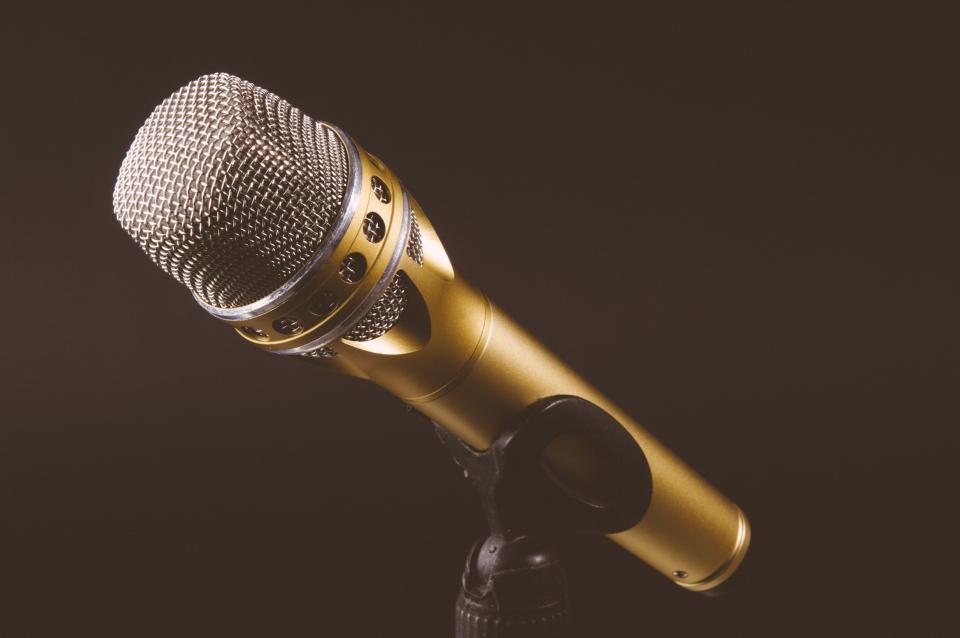
A room that can stay set up, one soft key light, a microphone on a proper stand, and something soft on the walls. Under that, the results will frustrate you and the setup will gather dust.
How much does a decent home setup cost?
The equipment is the smaller half. Budget for treatment, storage, and a genuine number of hours learning to run it. People who only price the gear are the ones who feel misled six months later.
Is it worth it for one episode a month?
Usually not. At that frequency the setup time, the maintenance and the learning are spread across very few recordings, and a booked room will cost less per finished episode.
Can I start by booking and build later?
That is the sensible order. Six months of booking teaches you exactly what you need, so if you then build, you buy the right things once instead of the wrong things twice.
There is no correct answer here, only a correct answer for how often you actually record, which is usually less than people predict.
The bottom line
The gear is the visible cost and the smaller one. Treatment, storage, setup time and your own learning curve are what actually decide whether a home setup pays off.
Record weekly with a room that can stay rigged, and building makes sense. Record monthly or in batches, and booking will cost less in money and far less in hours. Most people overestimate how often they will record, which is the single biggest reason home setups end up unused.
Batch a few episodes in one afternoon and see how the maths lands.