Most people booking a studio for the first time are not worried about microphones. They are worried about looking like they have never done this before. Fair enough. Here is exactly how a session runs, so nothing about the day is a surprise.
Before you arrive
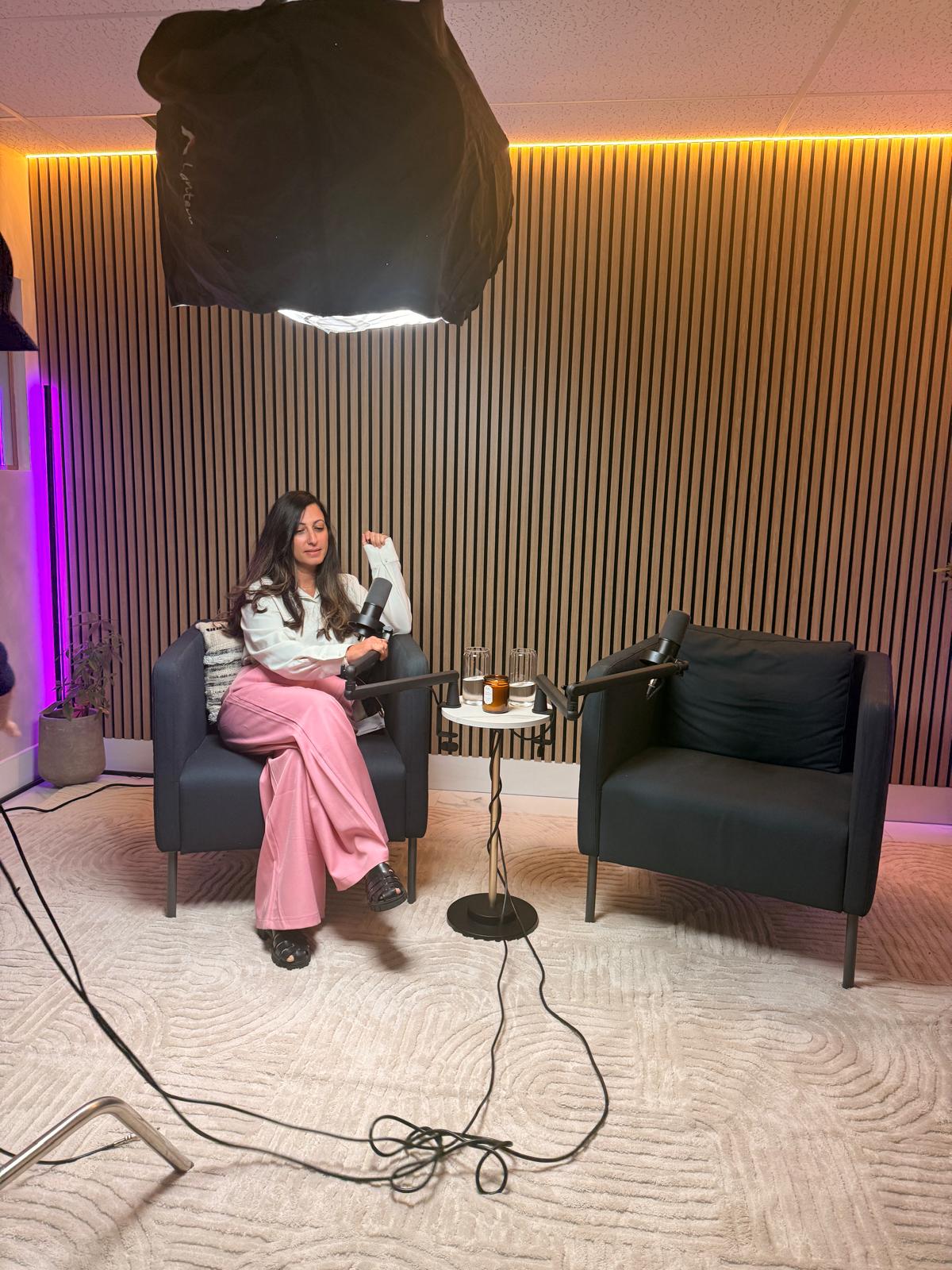
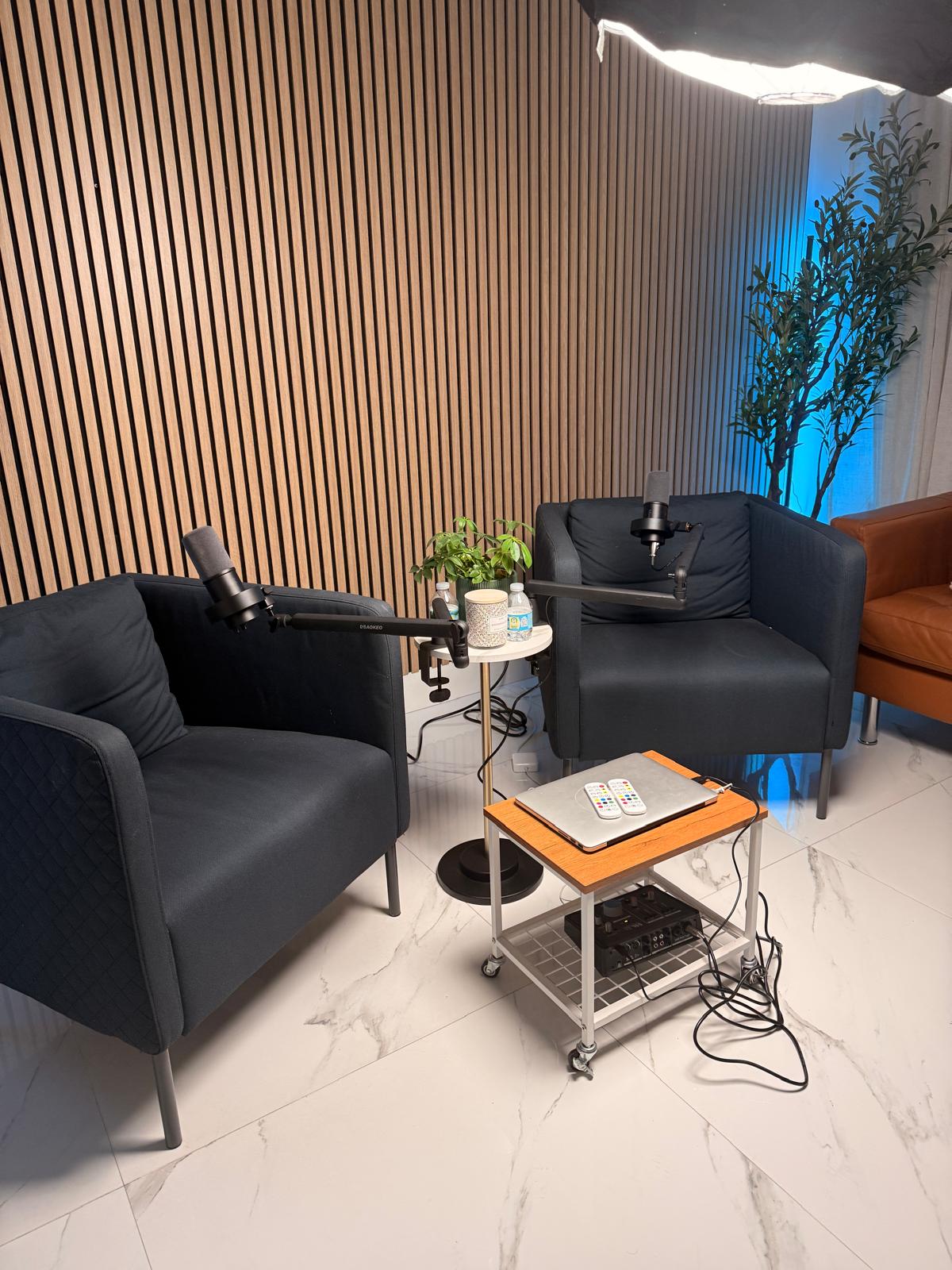
The room is already set. Lighting is up, microphones are on the boom arms, cameras are framed and levels are roughed in. That is deliberate. Watching someone assemble a light stand while you sit there rehearsing your first line is how people get nervous.
Bring whatever notes you want. A bullet list beats a script almost every time, because a script makes people read and reading sounds like reading.
When you are ready, book the studio and tell us what you are making.
The first ten minutes
You sit down, we set your microphone position, and you talk about nothing in particular while levels get checked. That small talk is not filler. It is where your voice settles into its normal register, and it is usually where the best unscripted line of the day happens.
Recording
Multi-camera video runs continuously, so there is no stopping to reset an angle. If you fumble a sentence, stop, breathe, and say it again. Do not apologise to the room. The edit removes it and nobody will ever know it happened.
Most first sessions run somewhere between forty minutes and ninety. An hour of conversation is a lot more material than people expect.
What you leave with
That depends on how you booked. Room only means you take the files. A full production means the footage goes into an edit and comes back as a finished episode, usually with short vertical cuts for social pulled from the same session.
Three things that make a first session go well
- Wear something plain. Tight patterns and logos fight the camera.
- Eat something first. Hungry people talk faster and thinner.
- Have one thing you actually want to say. Not a topic. A point.
What to bring
- Notes, not a script. Six or seven bullets in the order you want to hit them.
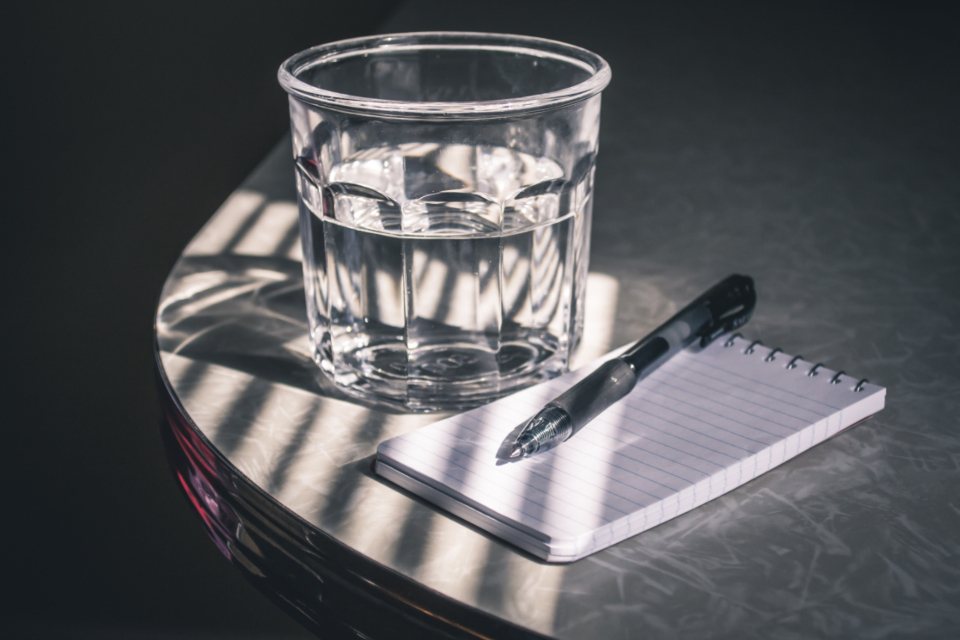
- Water. Room temperature. Cold tightens your voice.
- A change of top, if you are recording more than one episode and want them to look like separate days.
- Anything specific to the episode. A product, a book, a prop you plan to hold up.
- Your guest’s name spelled correctly, for the titles later. It sounds trivial until it is wrong.
You do not need to bring equipment. That is the point of booking a room that is already set up.
What happens when you fluff a line
Nothing. You stop, take a breath, and say it again from the top of the sentence. The edit removes the first attempt and nobody watching will ever know it happened.
The instinct most first-timers have is to apologise to the room and then keep going in a slightly smaller voice. Try not to. Every person who records regularly fluffs lines constantly. The difference is they have stopped treating it as a failure.
Nobody has ever watched a finished episode and been able to tell where the retakes were.
How long it really takes
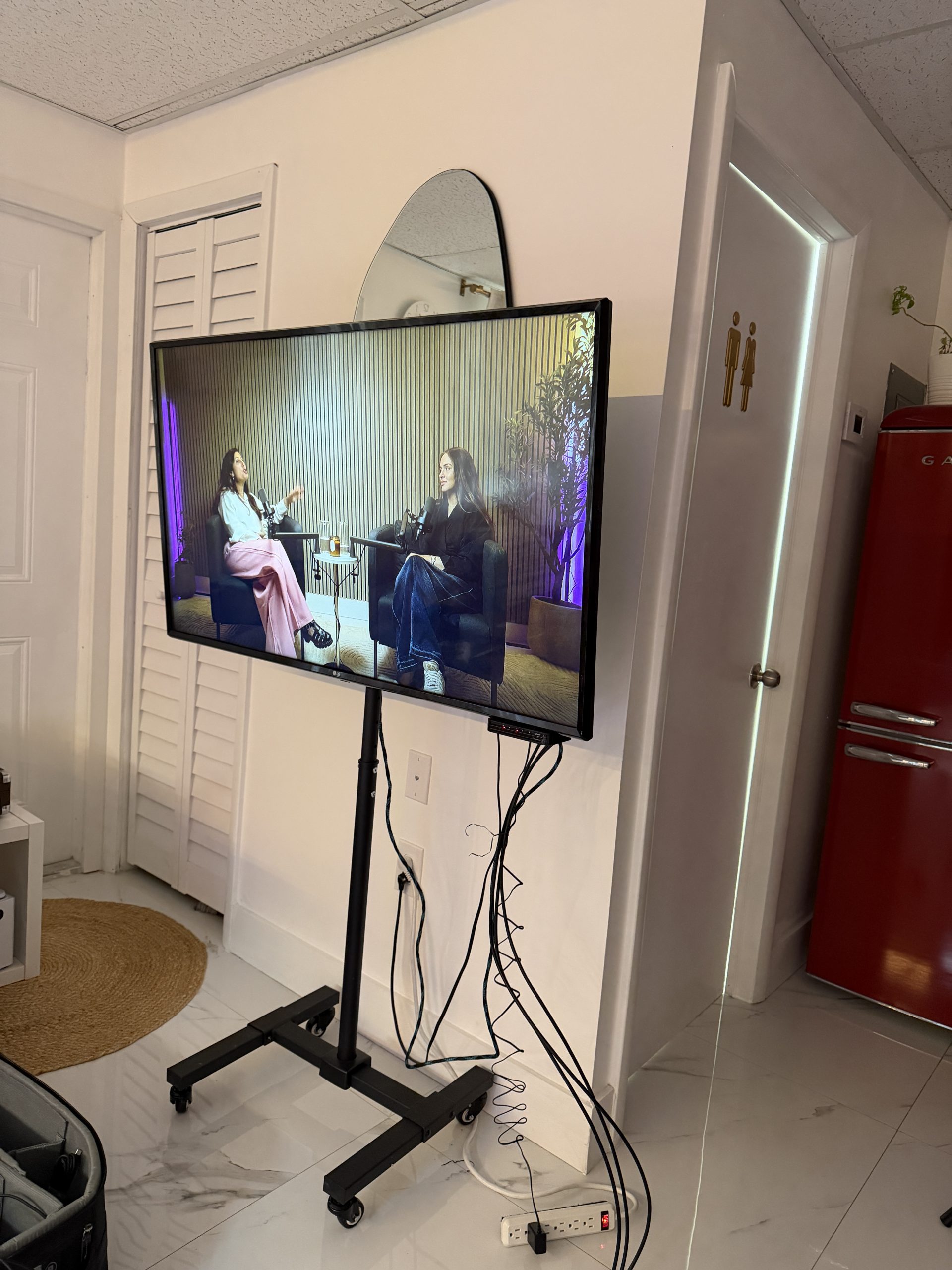
A first session usually runs longer than the recording itself, and that is normal. Arriving, settling, checking levels and having the short conversation that gets your voice working takes twenty minutes or so before the real thing starts.
Then the episode. Then a few minutes at the end to check nothing is missing and to talk about what happens next. Budget more time than the length of the episode you want, and you will never feel rushed.
After the session
What happens next depends on how you booked. On a room-only session you take the files. Check them before you leave the car park, not three days later, because if something is wrong the studio can only help while you are still standing in it.
On a full production the footage goes into an edit and comes back finished, usually with vertical clips pulled from the same recording. You will normally be asked whether there is anything you want cut.
The three things first-timers worry about
Sounding boring. Almost nobody is. What people mistake for boring is usually nerves flattening their voice, and the fix is the twenty minutes of settling described above.
Not knowing what to do with their hands. Hold something or rest them. Nobody watching notices hands unless the person is fighting them.
Looking wrong on camera. That is lighting, and lighting is our job rather than yours. It is set before you sit down.
If you want the longer version of the preparation side, we wrote about that in how to prepare for a studio shoot without over-preparing.
First session questions
Can I bring someone with me?
Yes. Attendance is limited to the number in your booking, so mention extra people in advance and we will make sure there is room. Plenty of first-timers bring someone simply because it is easier with a familiar face there.
What if I hate how I sound?
Almost everyone does the first time, because you are hearing your voice the way other people always have rather than through your own skull. It stops being distracting after a session or two.
Can I stop and start?
As much as you like. It is not live. Stopping, resetting and going again from the top of a sentence is completely normal and the edit removes it entirely.
What if I have nothing to say?
Then the topic is not ready, and that is worth knowing before you book. Come with one thing you actually want to say to one specific kind of person. Everything else can be worked out in the room.
The first session is mostly about discovering it is far less intimidating than it looked from outside.
The bottom line
Nothing about a first session is as intimidating from the inside as it looks from outside. The room is already set, the equipment is already working, and mistakes are removed in the edit without anyone ever knowing.
Bring notes rather than a script, arrive earlier than you need to, and come with one thing you actually want to say. Everything else gets handled in the room.
First time in a studio? Tell us what you are making and we will walk you through the rest.